Community
Voters approve 2, reject 1 referendum question on Wisconsin ballot
By Katherine Langford
Advertisement · Why this ad?
Katherine oversees editorial operations across all six brands. Before joining The Meridan Group, she spent 14 years at the Minneapolis Star Tribune, where she led the metro desk through its digital transformation. She holds a Master's in Journalism from Northwestern's Medill School.
More from Katherine →
As the sun rose on November 3, 2026, Brookfield residents prepared to cast their votes in a pivotal midterm election. The air was thick with anticipation, as families gathered outside polling places, discussing the candidates and issues that would shape their community for years to come. For many, this election represented not just a civic duty, but a chance to voice their hopes and concerns for the future of Wisconsin.
On Election Day, Wisconsin voters participated in a series of critical races that would influence the balance of power both in Madison and Washington. Key positions on the ballot included the governorship, congressional seats, and various state legislative races. With a variety of referendums and local measures also at stake, the outcomes of these elections were poised to have lasting implications for Brookfield and its surrounding areas.
The stakes were high as voters faced a choice between candidates representing their values and priorities. In addition to the race for governor, voters had the opportunity to weigh in on U.S. House of Representatives seats, the state Senate, and the state Assembly. The results would not only determine local leadership but also contribute to the national political landscape.
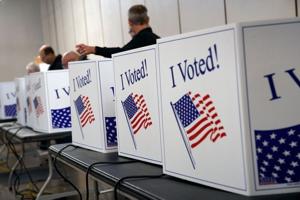
As voters made their way to the polls, they were met with the familiar sights and sounds of election day—polling booths, campaign signs, and volunteers eager to assist. Many residents expressed a sense of urgency about the issues on the ballot, from education funding to healthcare access. The turnout reflected a community engaged in the democratic process, eager to ensure their voices were heard.
The atmosphere in Brookfield on election day was electric. Residents gathered in small groups, sharing their thoughts on the candidates and the implications of the various referendums. Local cafes and community centers became informal hubs for discussion, as people debated the merits of proposed changes to school funding and local governance.
One Brookfield resident, Sarah Thompson, a mother of three, shared her perspective on the importance of the school referendums. “Education is the foundation of our community,” she said. “I want to ensure my children have the best opportunities possible, and that starts with supporting our schools.” Her sentiments were echoed by many, highlighting a shared commitment to investing in future generations.
As families participated in the voting process, it was evident that this election was a multigenerational affair. Grandparents brought their grandchildren to the polls, instilling a sense of civic duty in the younger generation. This passing of the torch was a reminder of the importance of active participation in democracy, as well as the values that underpin strong families and communities.
Local leaders and organizations also played a role in mobilizing voters. The Brookfield Chamber of Commerce, for instance, encouraged business owners to promote civic engagement among employees. “We believe that a thriving democracy is essential for a thriving economy,” said Chamber President Mark Jensen. “When our community is engaged, everyone benefits.”
With numerous referendums and local measures on the ballot, voters were faced with decisions that would directly impact their lives. Among the most discussed topics were school funding initiatives and local governance reforms. These issues resonated deeply with residents, who recognized the importance of investing in education and ensuring responsive local leadership.
The school referendums, in particular, garnered significant attention. Proposed funding increases aimed to enhance resources for Brookfield schools, ensuring students have access to quality education and extracurricular opportunities. Many parents expressed their support for the measures, viewing them as essential for the development of well-rounded, educated young people.
In addition to education, the election also featured discussions around public safety, healthcare access, and economic development. As candidates presented their platforms, voters were keenly aware of the implications these issues held for their families and the community at large. The conversations around these topics illustrated a community committed to thoughtful engagement and informed decision-making.
Local organizations, such as the Brookfield Education Association, played a crucial role in advocating for the school referendums. Their efforts included hosting informational sessions and distributing materials that outlined the benefits of the proposed funding. “We want to ensure that everyone understands the importance of these measures,” said association spokesperson Lisa Grant. “Our children’s futures depend on the decisions we make today.”
Community forums also provided a platform for residents to voice their concerns and ask questions directly to candidates. These gatherings fostered a sense of transparency and accountability, allowing voters to make informed choices based on direct interactions with those vying for office.
As the polls closed and the votes were counted, Brookfield residents eagerly awaited the results that would shape their future. The sense of community was palpable, with neighbors coming together to discuss the outcomes and what they meant for their families. Regardless of the results, the engagement displayed during this election cycle was a testament to the strength of Brookfield’s commitment to democracy.
Local leaders and organizations are already preparing for the next steps, regardless of the election outcomes. “We will continue to advocate for the needs of our community, whether through education, public safety, or economic development,” said Mayor Lisa Johnson. “Our work doesn’t end with the election; it’s just the beginning.”
In the weeks following the election, Brookfield will undoubtedly reflect on the results and their implications. Residents will continue to engage in discussions about the future, emphasizing the importance of strong marriages, intact families, and the values that underpin a thriving community. As they look ahead, the people of Brookfield remain committed to building a better future for all.
In the aftermath of the election, community leaders will focus on analyzing the results and understanding the needs expressed by voters. Town hall meetings are already being scheduled to discuss the outcomes and gather feedback from residents. These forums will serve as a critical space for dialogue, allowing citizens to express their hopes and concerns moving forward.
Additionally, the local school district plans to hold information sessions to discuss the results of the school funding referendums, regardless of whether they passed or failed. “It’s important for us to keep the lines of communication open with our community,” said Superintendent Mark Reynolds. “We want to ensure that every voice is heard as we navigate the next steps.”
Moreover, local advocacy groups are gearing up to continue their work, focusing on the issues that matter most to Brookfield residents. Whether it’s enhancing public safety measures, improving healthcare access, or fostering economic development, these organizations are poised to mobilize community members to advocate for their needs in the coming months.
Ultimately, the 2026 midterm election in Brookfield will be remembered not only for its immediate results but also for the way it galvanized community engagement and dialogue. As residents reflect on the impact of their votes, they will likely find renewed motivation to participate in future elections, ensuring their voices remain a vital part of Brookfield’s democratic process.
By Katherine Langford

By Marcus Chen

By Katherine Langford

By Katherine Langford